I recently came across a post about one of the more fascinating inhabitants of Dante’s Inferno. They aren’t murderers, thieves, traitors, or even particularly accomplished sinners. In fact, their defining characteristic is that they didn’t choose much of anything.
They are the uncommitted.
Dante places them in the Vestibule of Hell, inside its gates but before the river Acheron and the circles of Hell proper. In life, they took no meaningful side between good and evil. In death, Heaven doesn’t want them, but neither does Hell. They spend eternity chasing a blank banner while wasps and hornets sting them. Their blood and tears fall to the ground, where worms consume them.
It is classic Dante: the punishment is an extension of the life that produced it. They stood beneath no banner, so now they chase one that means nothing. They wouldn’t willingly bleed for anything, so now their blood is shed for nothing.
The post ended with a modern distillation of Dante’s warning:
Stand for nothing, and nothing is what you’ll become.
Joe Lonsdale quote-posted it with an observation aimed specifically at people in business: friends who “avoid politics” rather than studying the issues and doing their civic duty to defend the principles of the civilization that allowed their lives and businesses to flourish.
That hit a nerve with me, although perhaps not exactly the one intended.
Because I’m not convinced everyone needs to become political. I’m certainly not convinced the world needs more people fighting with strangers on X. God knows we seem to have that market adequately supplied.
But I am increasingly convinced there is a difference between choosing to be quiet and choosing to hide.
And money makes that distinction particularly interesting.
When Freedom Becomes Something You Have to Protect
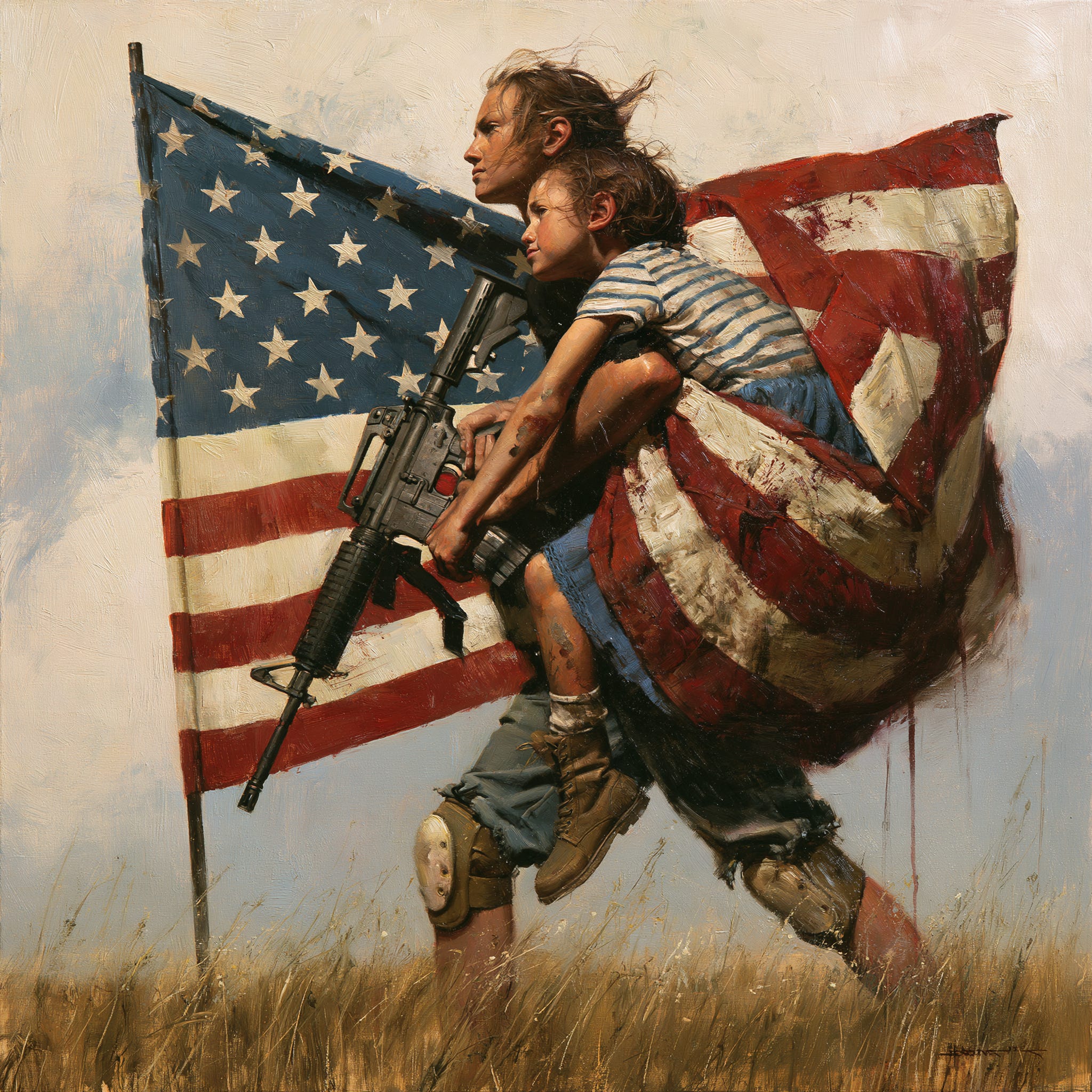
I had been talking with a friend in business about the extraordinary amount of hate directed toward Elon Musk. The latest version was triggered by discussions of his wealth and that he became the world’s first trillionaire, but the particulars almost don’t matter. Elon has become one of those cultural Rorschach tests where people often reveal more about themselves than they do about him.
My friend thought much of the criticism was insane.
I agreed, but pushed him a little further: “IMHO you should be more on the court in these battles.”
His response was understandable: “You want me to fight with people lol.”
Not really.
There is an enormous distance between fighting with people on the Internet and being willing to say what you actually believe. People like Bill Ackman don’t have to spend their days trading insults with anonymous avatars to make their positions known. You can be thoughtful. You can be civil. You can even be quiet most of the time.
But the conversation made me realize something about money that I hadn’t quite articulated before.
Having money should mean having freedom. If you need to watch what you say in order to keep it, that money is just prison bars.
That doesn’t mean blurting out every opinion that enters your head. Discretion isn’t cowardice. Privacy isn’t cowardice. Keeping your politics out of a business where they have no useful purpose can be wisdom rather than weakness. Civilization would probably improve considerably if more people rediscovered the ancient technology known as shutting the fuck up.
The question is why you’re shutting up.
There is a point where prudence becomes self-censorship, and another where self-censorship becomes self-erasure. The difficulty is that there is no bell that rings when you cross from one into the next.
It usually feels like good business.
Don’t upset the customers. Don’t upset the employees. Don’t upset the LPs. Don’t upset the board. Don’t say that. Don’t invest in that. Don’t associate with him. Don’t question this. Don’t defend them. Why create a problem when you don’t have to?
Each individual decision can be perfectly rational.
Eventually you may discover that you’ve rationally edited yourself out of your own life.
The Price of Standing Under a Banner
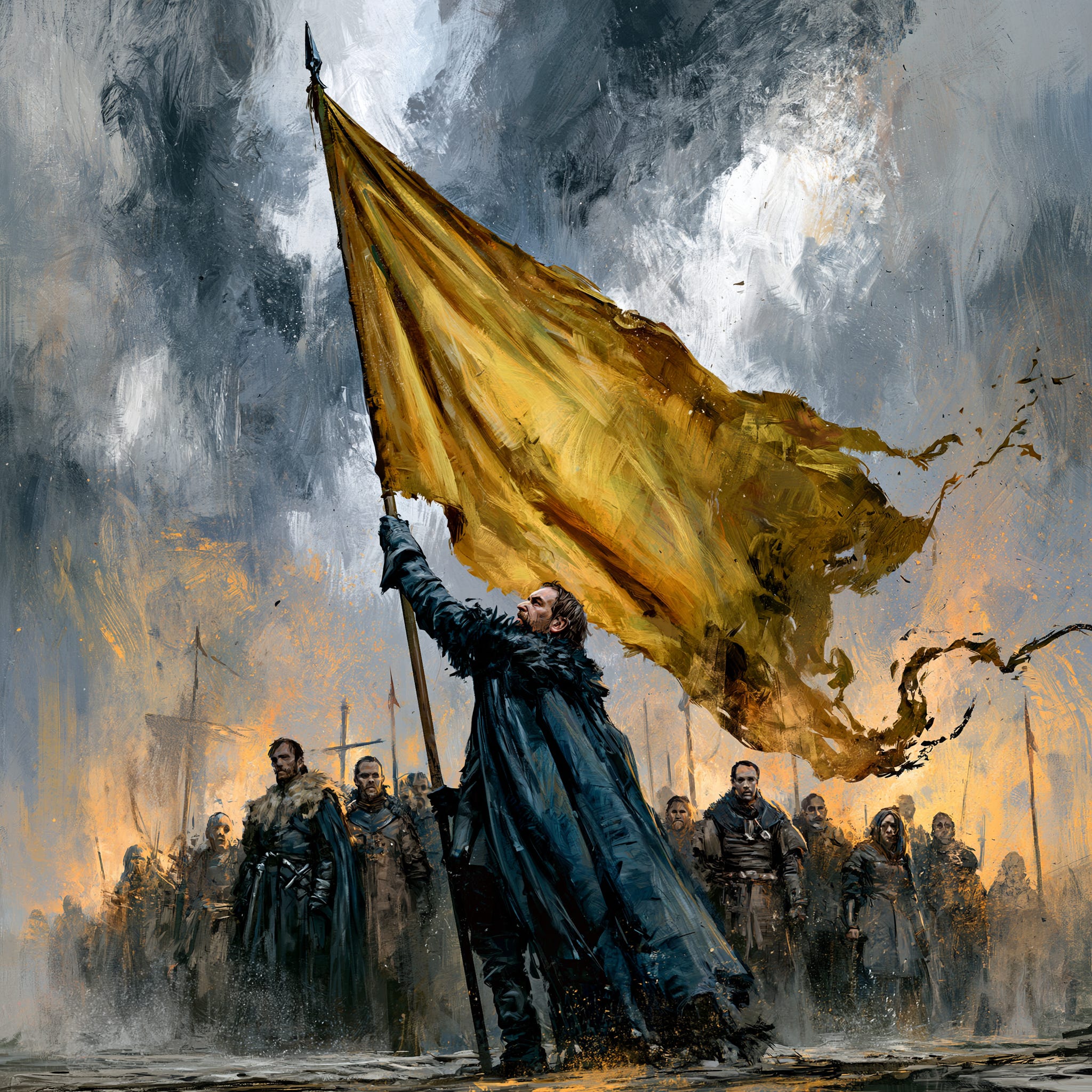
I thought about Lux Capital and Anduril.
Today, investing in defense technology is fashionable enough to have become its own venture category. Anduril is one of the industry’s defining companies. That was not the environment in which it began.
When Lux backed Anduril from its first financing round, defense technology carried enormous reputational baggage in Silicon Valley. Lux didn’t merely make the investment and hide it in the portfolio. Josh Wolfe publicly defended the reasoning behind it, arguing that protecting the country and the people who defend it was a legitimate mission for technological talent and venture capital.
Some people didn’t like it. Some LPs reportedly didn’t want exposure to that kind of investing. Fine.
That’s what a belief costs.
The important thing isn’t that Lux turned out to be financially right about Anduril, although being right certainly makes the story more fun. The danger of using successful investments as morality tales is that we can accidentally suggest conviction is virtuous because it eventually produces a gigantic valuation.
It isn’t.
Had Anduril failed, the underlying question would be exactly the same: Did you make the decision because you believed it was right, or did you make the decision that created the least social friction at the time?
We spend an enormous amount of time discussing the immoral pursuit of money. Greed. Fraud. Exploitation. Betrayal. The terrible things people will do to acquire wealth have supplied literature, religion, philosophy, and Hollywood with material for thousands of years.
But perhaps there is another moral hazard of wealth that gets much less attention.
What will you refuse to do because you’re afraid of losing it? Or not making more of it?
The first is about selling your principles to become rich. The second is about slowly surrendering them to remain rich.
I’m no longer sure which transaction is cheaper.
The Golf Invitation I Still Remember
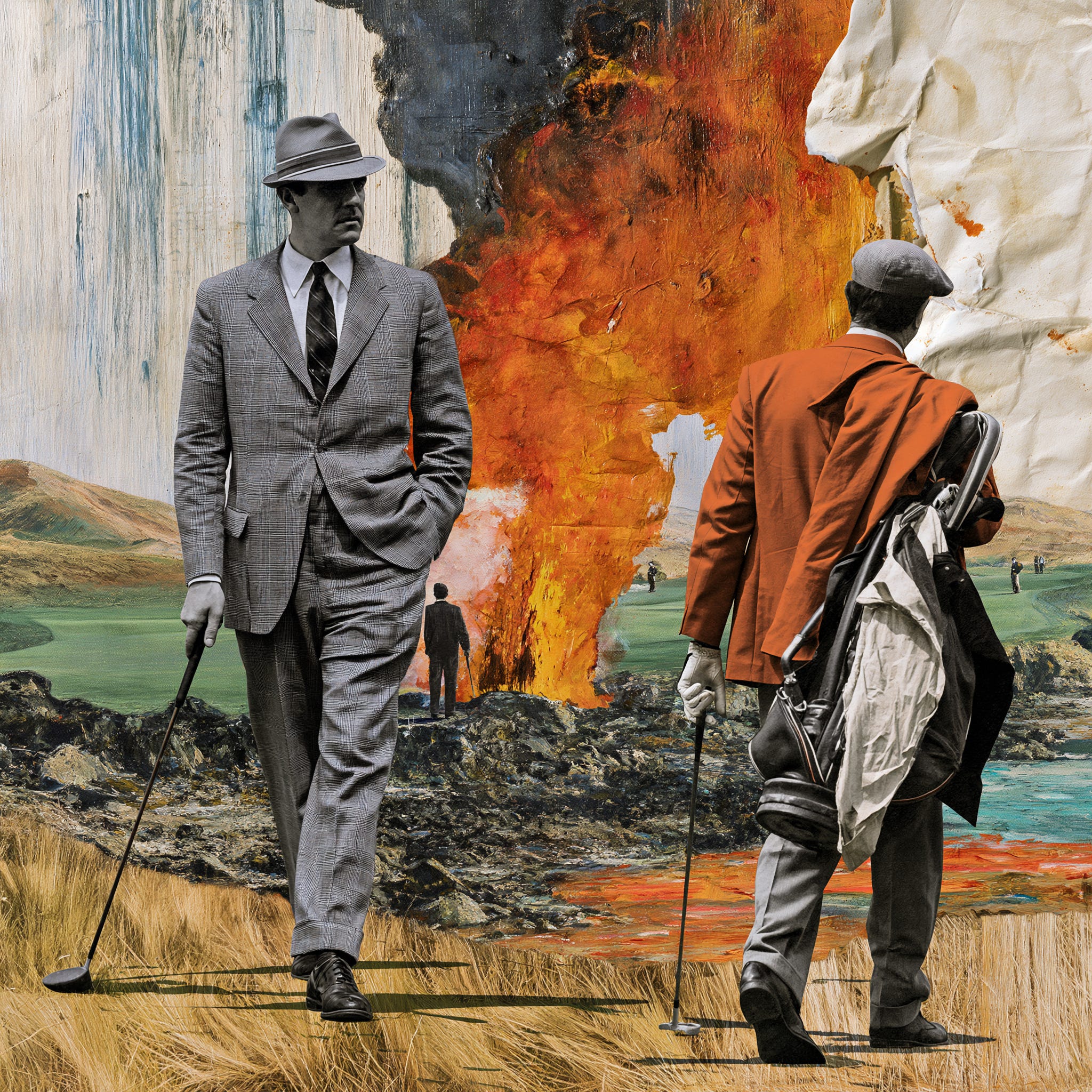
Oddly enough, thinking about all of this brought me back roughly 35 years to something so insignificant that I can’t believe I still remember it.
I was never a graphic designer, but I arrived in business at exactly the moment when the Macintosh was beginning to democratize design. Suddenly normal people could make things that previously required specialists. Desktop publishing was new and magical. I was using Aldus PageMaker, which probably dates the story more effectively than anything else I could tell you.
A business I was involved with was holding a golf outing for customers and vendors, and someone needed to create the invitations. I could do it.
This was the era of clipart, and I found an illustration of a golfer swinging a club. It was black and white, hand-drawn, and not exactly a masterpiece of representational art. But the golfer appeared to be a Black woman.
Fine with me. It was a golfer.
I put the invitation together and showed the draft to the woman responsible for the event.
There was pushback.
A woman?
Couldn’t I make it a man?
Could I at least lighten the skin?
I wish I could tell you this is the point in the story where 35-years-younger me delivered a brilliant speech about race and sex, refused to change the artwork, and walked heroically into the sunset while inspirational music played.
I didn’t.
I couldn’t change the sex of the clipart, but I could lighten the skin.
So I did.
And went back to work.
What haunts me isn’t simply that I changed it. What bothers me even more is how little I understood the moment while I was standing inside it. Call it naïveté, inexperience, or just being oblivious, but I don’t remember processing the request as the little moral test I can so easily recognize today.
It was an invitation to a golf outing.
Why make a big deal about it?
Thirty-five years later, I don’t remember what the invitation looked like. I don’t remember who attended the outing. I don’t remember whether anyone complimented the design, and I certainly don’t remember whether the afternoon generated another dollar of business.
I remember lightening the golfer’s skin.
That’s an astonishing return on an insignificant decision.
The things we imagine will matter forever often disappear completely. Meanwhile, some tiny moment when nobody was watching—or when we didn’t even realize we were being tested—follows us for decades.
I’m not interested in retroactively beating up the younger version of myself. He didn’t understand something that the older version does. That’s one of the privileges, and occasional horrors, of getting older.
But I do wish he’d understood enough to say, politely:
No.
And maybe that is why the story of Dante’s uncommitted landed differently for me than another argument about whether businesspeople should get involved in politics.
This isn’t really about politics.
It’s about agency.
Enough Money to Say No
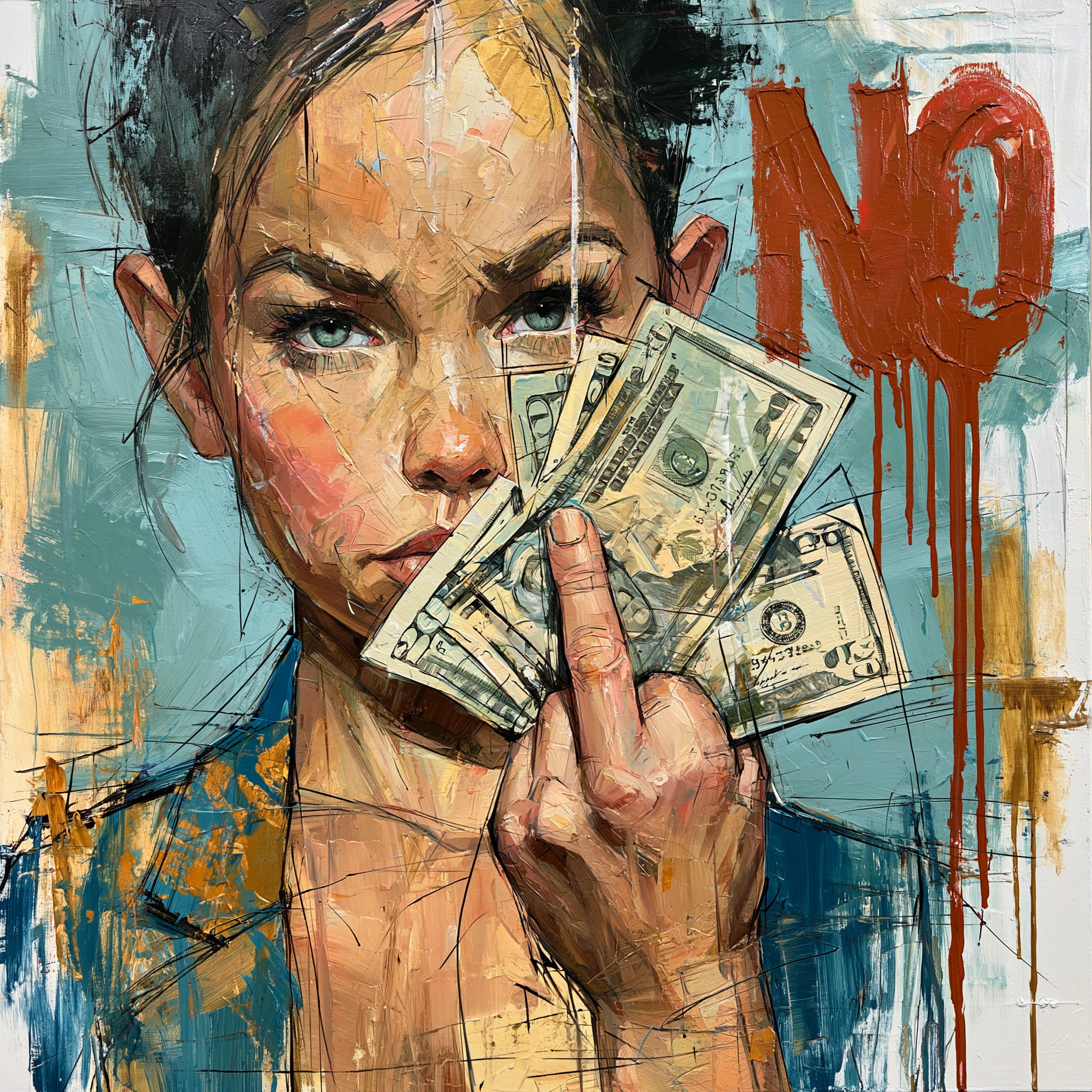
I still believe there is dignity in being quiet with money.
You don’t need to flex it. You don’t need to make wealth your identity. You don’t need to broadcast every opinion or turn your company into an extension of your political beliefs. There is something deeply unattractive about people who acquire money and then seem to believe it has also made them authorities on everything.
But there is a difference between not displaying your wealth and allowing your wealth to control you.
Money should expand the range of things you are free to say no to. It should let you survive the angry customer, the departing LP, the disapproving social circle, the fashionable consensus, or the person asking you to lighten the golfer’s skin.
Otherwise, what exactly have you accumulated?
The paradox is that the more successful we become, the easier it is to construct sophisticated reasons for protecting what we’ve built. Early in life, there isn’t much to lose. Later there are companies, portfolios, reputations, boards, partnerships, employees, relationships, invitations, memberships, and social circles. The cage becomes extraordinarily comfortable.
We may even call it freedom.
That is where Dante’s blank banner becomes interesting. His uncommitted weren’t necessarily monsters. Their failure was that when life demanded they attach themselves to something larger than their own preservation, they wouldn’t.
Perhaps that is the moral hazard of success nobody warns us about.
You can spend your life accumulating enough money to never again have to say something you don’t believe—and then become so afraid of losing it that you stop saying what you do.
That isn’t financial freedom.
It’s just a more expensive prison.
🌱 Seed Thought: We usually ask what someone was willing to do to become wealthy. Maybe the better question comes afterward: Now that you can afford to stand for something, what are you still afraid of losing?