


The Bar Where the Music Was Better Than the Music Business
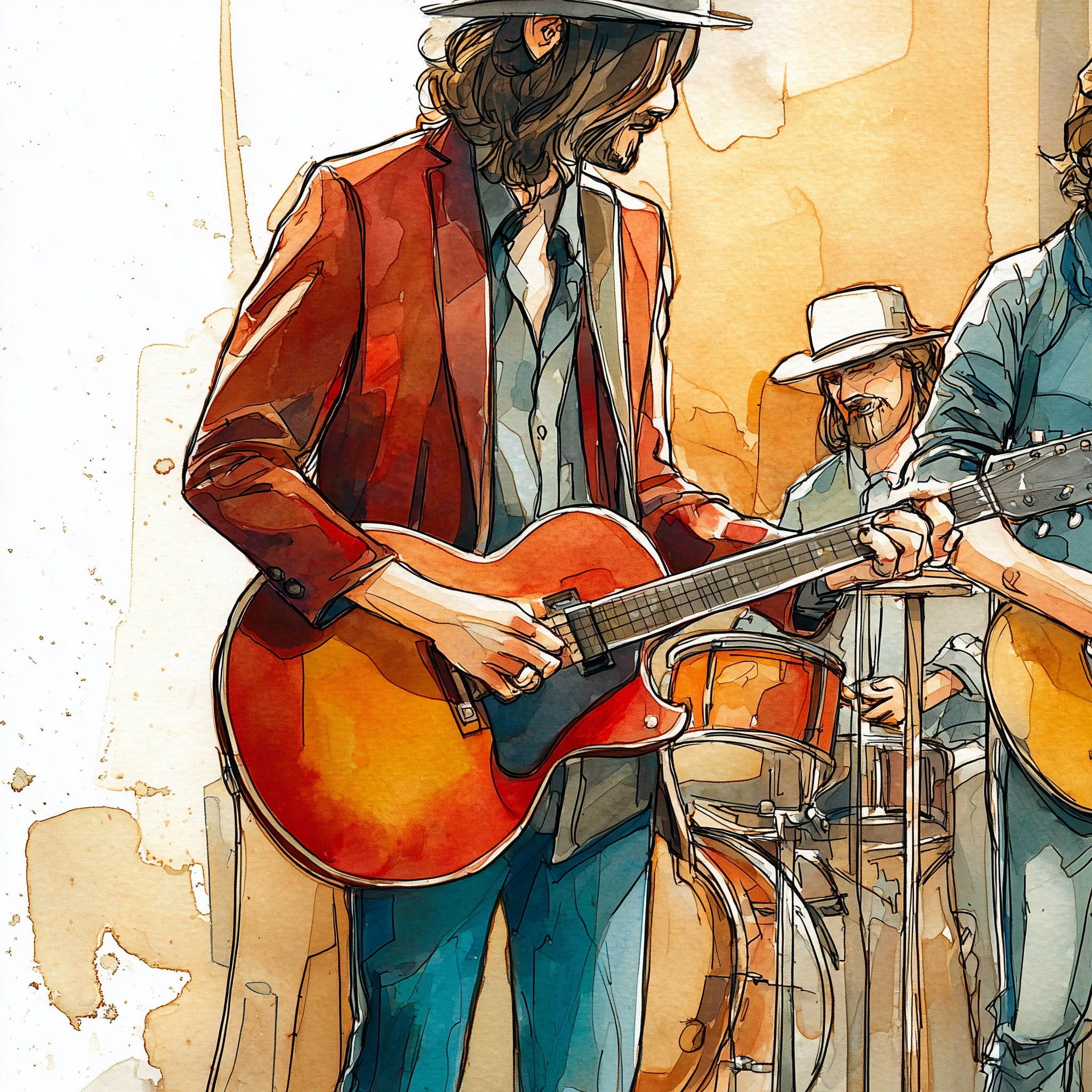
Recently, I found myself in Nashville. Late at night—not the witching hour, but the time when the city feels like it has a few secrets left to hand out. A friend of mine—let’s call him Nick—suggested we duck into a bar we’ll call the Crazy Bar.
The place wasn’t on Broadway. It wasn’t even pretending to be. It sat far enough away that tourists never stumbled into it by accident, but close enough that someone determined—or intrigued—could wander there with a good story brewing. From the outside, it looked unassuming. Inside, it felt like a discovery.
A handful of musicians stood only a few feet away, separated from us by a wooden barrier that had probably stopped more beer bottles than brawls. Their sound was electric, alive, almost disorienting in its quality. This wasn’t the polished Nashville you see on posters. This was the unfiltered version—the kind that makes you forget to blink.
And I wanted answers.
Why were musicians this good playing here—this small, this hidden, this unheralded? Why weren’t they somewhere bigger, louder, brighter? I’ve asked versions of that question before, but something about this night made it land with a different weight. It was the first time I truly felt the gap between talent and trajectory.
On the walk out, I asked Nick if these musicians were trying to go further.
“This is what they do,” he said. “Most will just keep doing this.”
The simplicity of the answer, and the confidence behind it, stuck with me. I’ve met people like that—brilliant, magnetic, wildly capable—and yet somehow tethered to a smaller orbit. I once knew a salesman who could connect with anyone in seconds, but he blew up job after job like it was a personal tradition. Extraordinary talent, ordinary outcomes.
And then Nick told me the story that clarified the whole night.
One of the band members—let’s call him Jim—had a spark. Nick noticed it immediately and offered to bring him into a writing room. This wasn’t charity, and it wasn’t ambition—Nick simply loves the craft and enjoys helping someone take a step further into their own potential.
Jim was thrilled. They set a date.
And on the day of the session, he called out sick.
Not emergency-room sick. Not “appendix staging a mutiny” sick. Just sick enough to skip something important.
The part that mattered wasn’t the cancellation. Life happens.
It was the silence afterward.
Jim never tried to reschedule.
One missed moment—and the thread snapped.
Why Talent Isn’t Enough (And Why It Never Has Been)
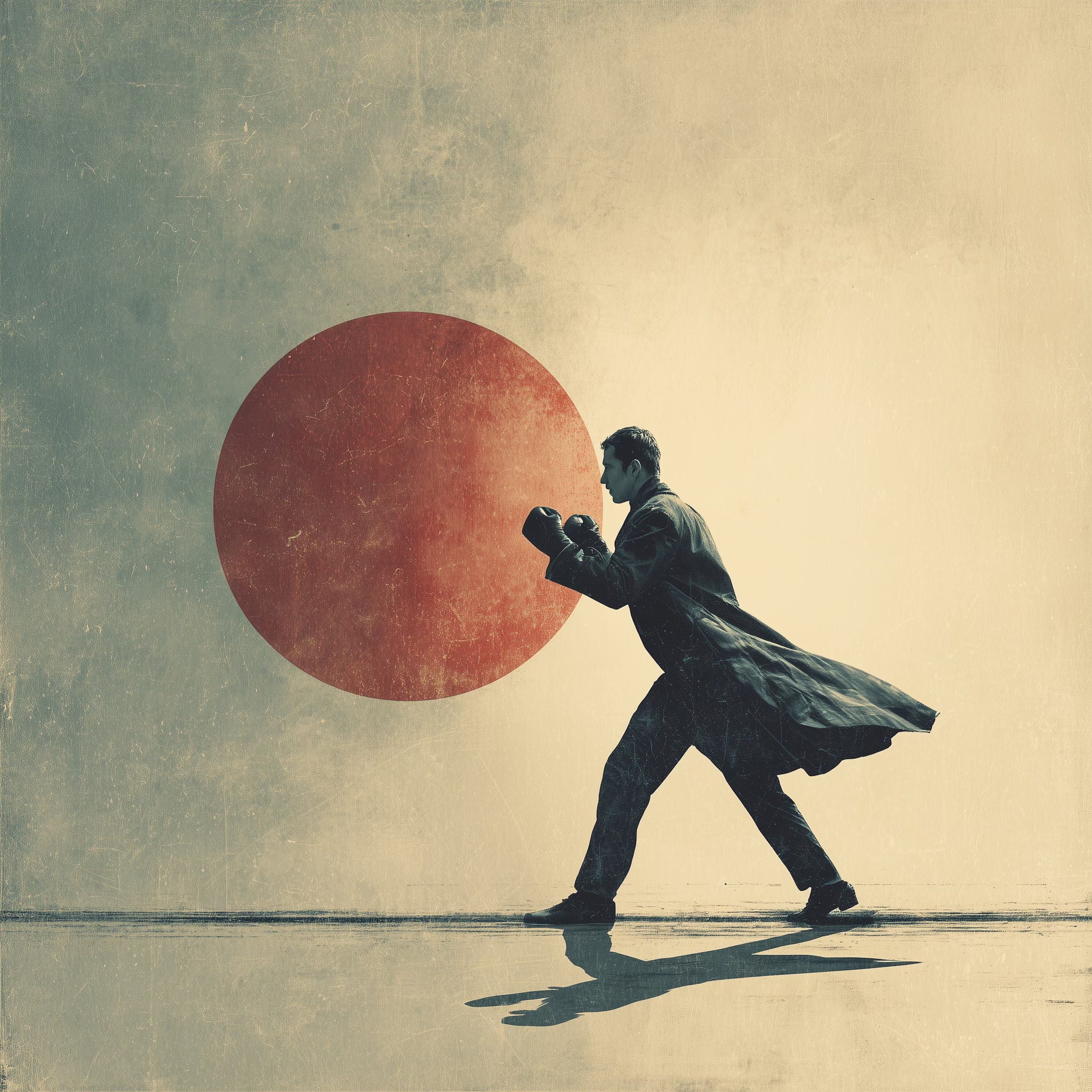
That night didn’t confront me with an uncomfortable truth so much as it connected some of the dots that have been rolling around for decades.
Talent opens the door. Curiosity walks through it.
Most people confuse curiosity with ambition. They’re nothing alike.
Ambition is a scoreboard.
Ambition says: I want the number one song, the big exit, the top billing.
Ambition is about the outcome.
Curiosity is about the mystery.
Curiosity says: I want to see how far I can go, just to find out.
Curiosity is the musician who shows up to a writing room even with the flu—because missing it would feel worse than pushing through it.
And curiosity’s natural enemy is comfort.
Comfort becomes seductive. The Crazy Bar musicians know the crowd, the money, the routine. Their nights are predictable. Stepping into something bigger means stepping into something uncertain—and uncertainty, even when promising greatness, feels like stepping off a cliff in the dark.
There’s also the matter of identity.
In the small room, you’re a star.
In the bigger room, you’re just one more person trying.
A shocking number of people would rather be kings of a tiny kingdom than novices in a vast one.
Then there’s the moment that separates almost from actually: the flinch.
Everyone encounters an inflection point.
A writing session.
A meeting.
A partnership.
A chance that carries a faint electric charge.
The universe whispers: Show me how badly you want this.
Jim didn’t say no. He simply didn’t say anything.
Most people think failure is loud and dramatic.
In reality, it’s usually one quiet hesitation that never gets corrected.
Because here’s the real trick:
Curiosity reschedules.
Curiosity follows up.
Curiosity doesn’t need certainty—only motion.
To the outside world, that looks like grit or persistence.
To the curious, it feels like breathing.
The Door Stays Open—But It Gets Heavier

The more I sat with that night in Nashville, the clearer the pattern became:
People don’t stay small because they lack talent.
They stay small because they avoid mystery.
Most lives don’t shrink all at once.
They shrink one unreturned call at a time.
One postponed dream.
One quiet apology that becomes a habit.
One opportunity that dies of neglect, not rejection.
And yet—and this is the hopeful part—the door to the next level rarely closes permanently. It stays open far longer than we think.
It just grows heavier each year we don’t pull on it.
Ego grows heavier.
Comfort grows heavier.
Fear grows heavier.
Identity grows heavier.
But curiosity?
Curiosity stays light.
It’s the rope thrown over the wall, waiting for someone to grab it.
Curiosity doesn’t demand confidence.
It asks only for a willingness to see what might happen if you stop flinching.
And if there’s one line that captures the whole night, it’s this:
Talent screams, “Look what I can do.”
Curiosity whispers, “I wonder what I could do…”—and keeps whispering until you find out.
The night wasn’t about music.
It was about the moment when a talented person quietly chooses comfort over possibility—and how often we do the same thing without noticing.
✨ Seed Thought: Most people wait for confidence; the curious show up anyway.
