There’s a moment—somewhere between the third round of guessing and the first wave of embarrassment—when you begin to wonder if this is really happening. For me, that moment arrived onstage with Zane Lamprey, a man who makes drinking look like an Olympic event and can turn crowd mischief into a minor art form.
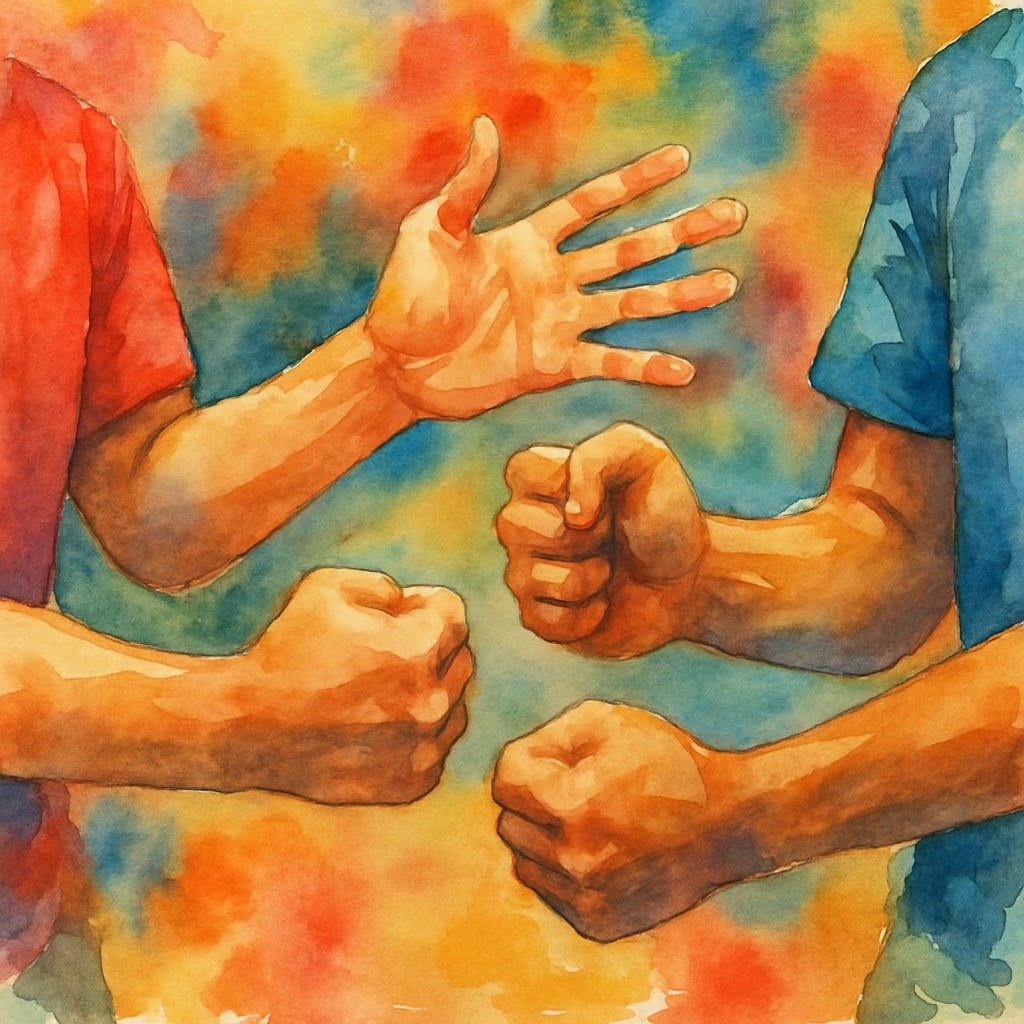
The game was simple. Stunningly simple. Everyone around me seemed to treat it like a reflex: hands up, hands down, palms open, fists closed—call the number, boom, done. It’s the kind of parlor trick half of Asia uses to decide who buys the next round. The kind of game that, in theory, a half-asleep toddler could operate with modest proficiency.
And there I was, a grown man with decades of business acumen behind me, staring at my own hands as if someone had replaced them with foreign objects.
Zane, of course, was loving it. The audience was loving that he was loving it. And I?
I wasn’t failing.
I was… observing myself fail.
Which is an entirely different genre of experience.
If You’re Curious: The Game I Couldn’t Play
Name: Commonly known as “5-10-15” or “Shi Wu” (十五), meaning “15,” though variations like “15-20” or “5-10-15-20” appear across China and other parts of Asia.
How it works:
Two (or more) players face each other.
On a quick count—similar to rock-paper-scissors—they simultaneously reveal their hands.
Each hand is either a closed fist (0 fingers) or an open hand (5 fingers).
One player is the caller and shouts a prediction for the total number of fingers that will appear across all hands: 0, 5, 10, 15, or 20.
If the caller’s guess matches the actual total, they win the round (often meaning someone else drinks).
If they’re wrong, they lose. If they call an impossible number (like 20 while showing two fists), everyone knows exactly who wasn’t paying attention.
It’s rhythm, instinct, attention, and just enough luck to keep the overconfident honest.
I possessed none of these onstage.
Seeing Myself… Seeing Myself

There are people who thrive in real time. People who can dance with unpredictability, volley a joke back before it’s fully landed, make snap calls without breaking a sweat. I’ve always admired them the way I admire great improvisational musicians—“How does your brain move that fast without spilling anything important?”
My brain does move; sometimes it moves extraordinarily well. I’ve made decisions over the years that required deep synthesis, intuition, pattern recognition across industries, personalities, timelines, incentives. But that’s slow-burn cognition. That’s the art of letting things simmer.
This game with Zane?
It wasn’t simmering.
It was flash-frying.
And in that heat, something familiar surfaced: I am not built for speed in the moment. Not naturally.
I’m the guy who comes up with the brilliant reply after the room empties. The one who listens first, listens second, and speaks somewhere around third or fourth. I need a beat—sometimes a few—to let the world settle before I respond.
So as I stood there botching a children’s logic puzzle in front of a room full of delighted strangers, I didn’t feel shame. I didn’t feel pressure. I didn’t feel the urge to be someone else.
I felt recognition.
Ah. There I am.
The me I know. The me I’ve worked with my entire life.
And honestly? It was comforting.
The Pondering: Can One Reroute an Operating System?
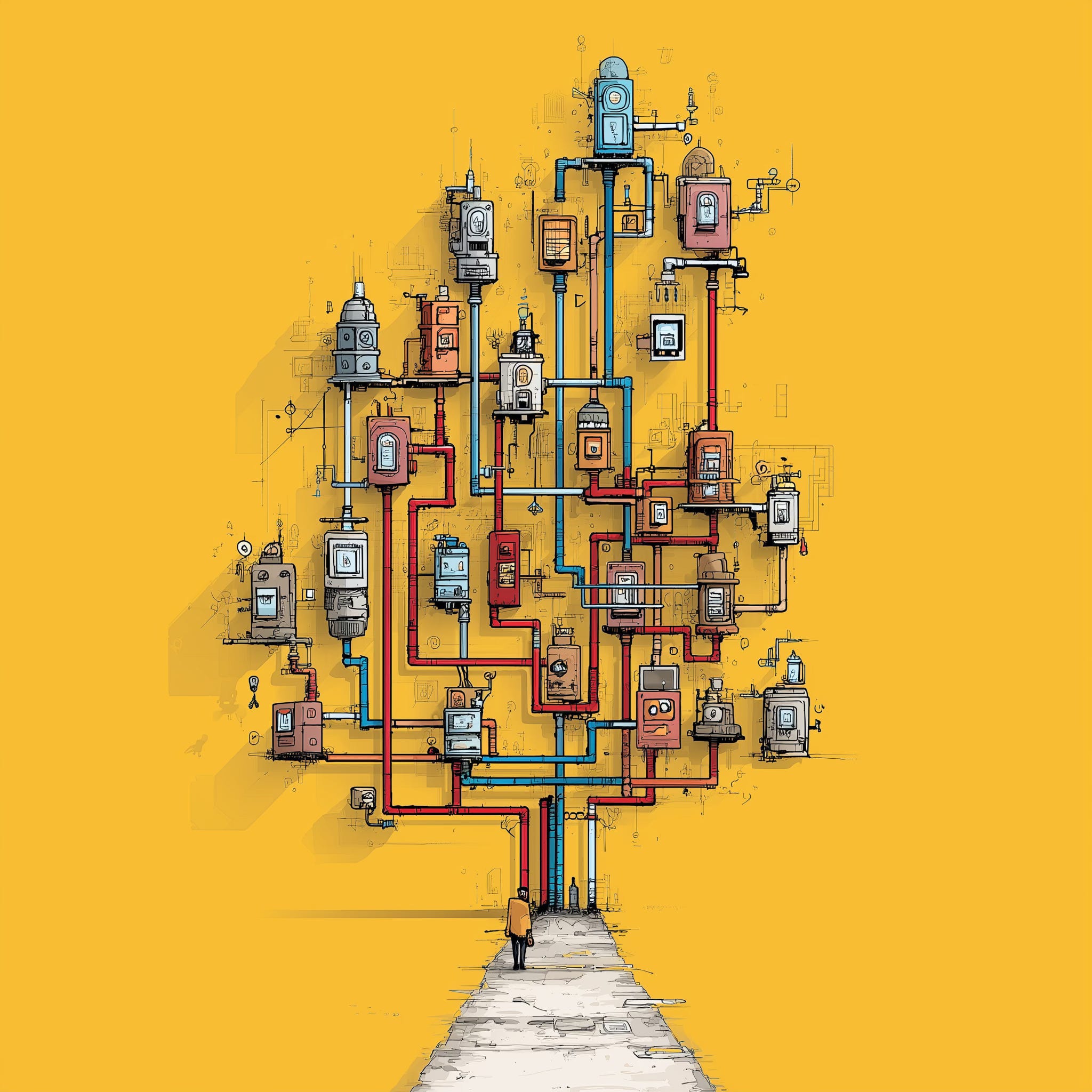
But afterward, sitting with Zane, the question came:
Is this something I should try to get better at?
Not the game—although, yes, that too—but the muscle behind it.
The real-time gear I’ve never naturally possessed.
The classic transformation advice is always the same: immersion. Dive into improv classes, hammer through rapid-response drills, let your brain sweat under the bright fluorescent lights of forced spontaneity. And there’s merit to that—some people truly thrive when they jump into the deep end.
But there’s also a cost. Immersion can become “overwhelm” wearing a motivational T-shirt.
And that’s where a much gentler idea entered the frame: BJ Fogg’s “Tiny Habits.”
Fogg, a Stanford behavior scientist, built a model around a deceptively simple truth: lasting change is more likely when the steps are so small they border on ridiculous.
Instead of attempting a personality transplant, you make micro-adjustments: one tiny behavior, repeated consistently, and—this part matters—celebrated. A small success becomes a seed that grows into something sturdier.
Still, the deeper question isn’t how to change, it’s whether to.
If I could suddenly become lightning-fast in the moment—would I want to?
Would I lose something?
The depth?
The listening?
The ability to sit with a situation long enough to see its real shape?
Every strength casts a shadow. Every shadow outlines a strength.
There’s a kind of quiet superpower in being the one who doesn’t rush to speak. The one who doesn’t play conversational whack-a-mole. The one who lets the dust settle before choosing a direction. Remove that, and you may gain speed—but at what cost to what makes you you?
This isn’t an argument against growth. Growth is non-negotiable. But direction matters. Intention matters. Otherwise we end up polishing the wrong part of the statue.
The Strange Peace of Knowing Yourself
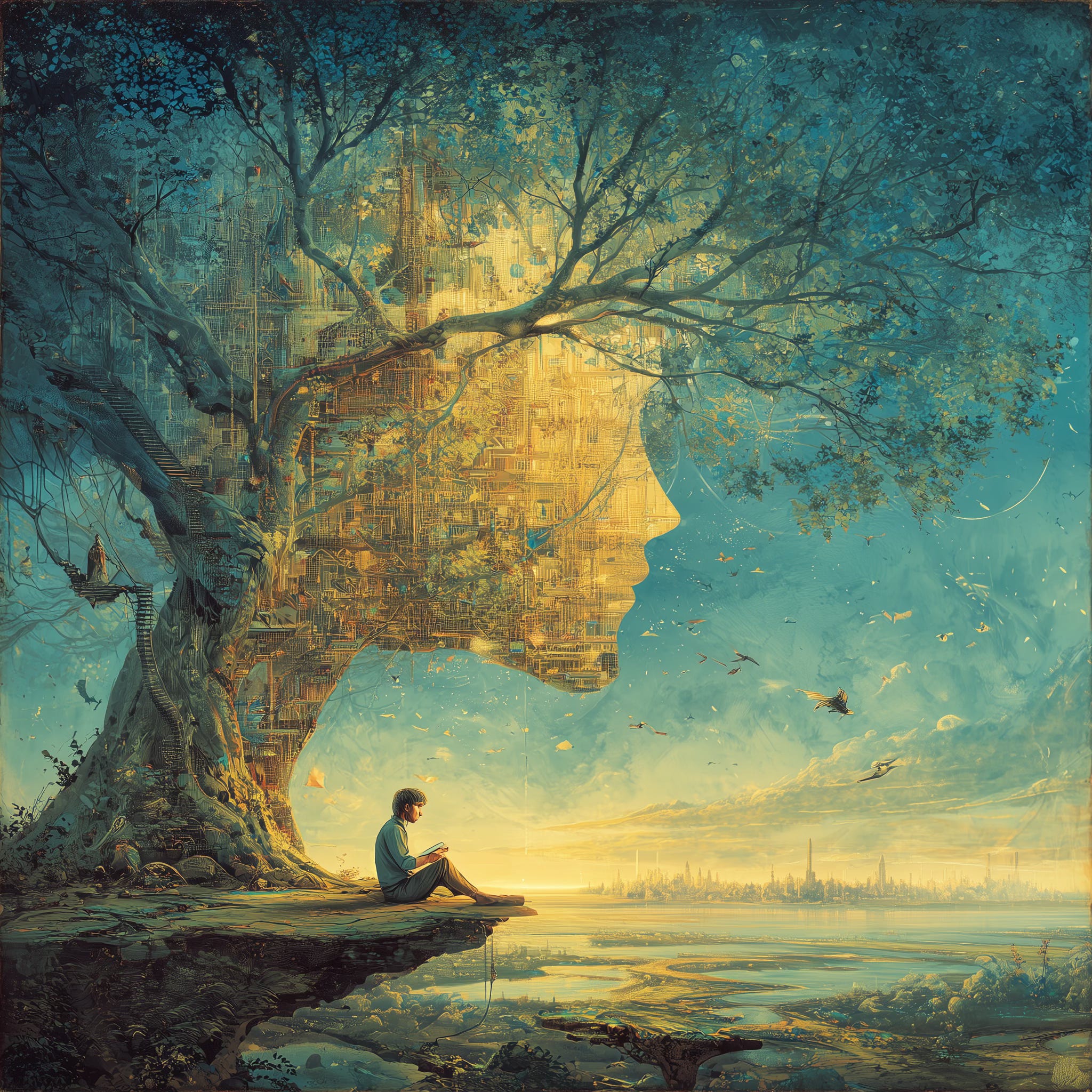
People assume the frustration of being slow in the moment is the struggle. But that afternoon with Zane, I didn’t feel frustration. I felt clarity.
I knew exactly why I was struggling.
And because I knew it, I could laugh about it.
The game wasn’t exposing a flaw—it was confirming a pattern.
And patterns, once recognized, stop being cages. They become choices.
That’s the quiet pivot point here: I’m not convinced I need to “fix” this part of me. But I’m equally not convinced I shouldn’t try to sculpt it a little. Just enough to stay fluent in a world that’s speeding up, without losing the slower, deeper rhythms that have served me well.
Maybe that’s the real transformation—not becoming fast, but becoming fluid.
Able to speed up a little when needed.
Able to slow down when it matters.
Able to be at peace with both.
A game I couldn’t play ended up being a mirror I didn’t know I needed.
✨ Seed Thought: Not every weakness needs to be trained away, but every pattern deserves to be understood. Once you know your own rhythm, you can choose—moment by moment—whether to dance faster, or simply let the music catch up to you.