


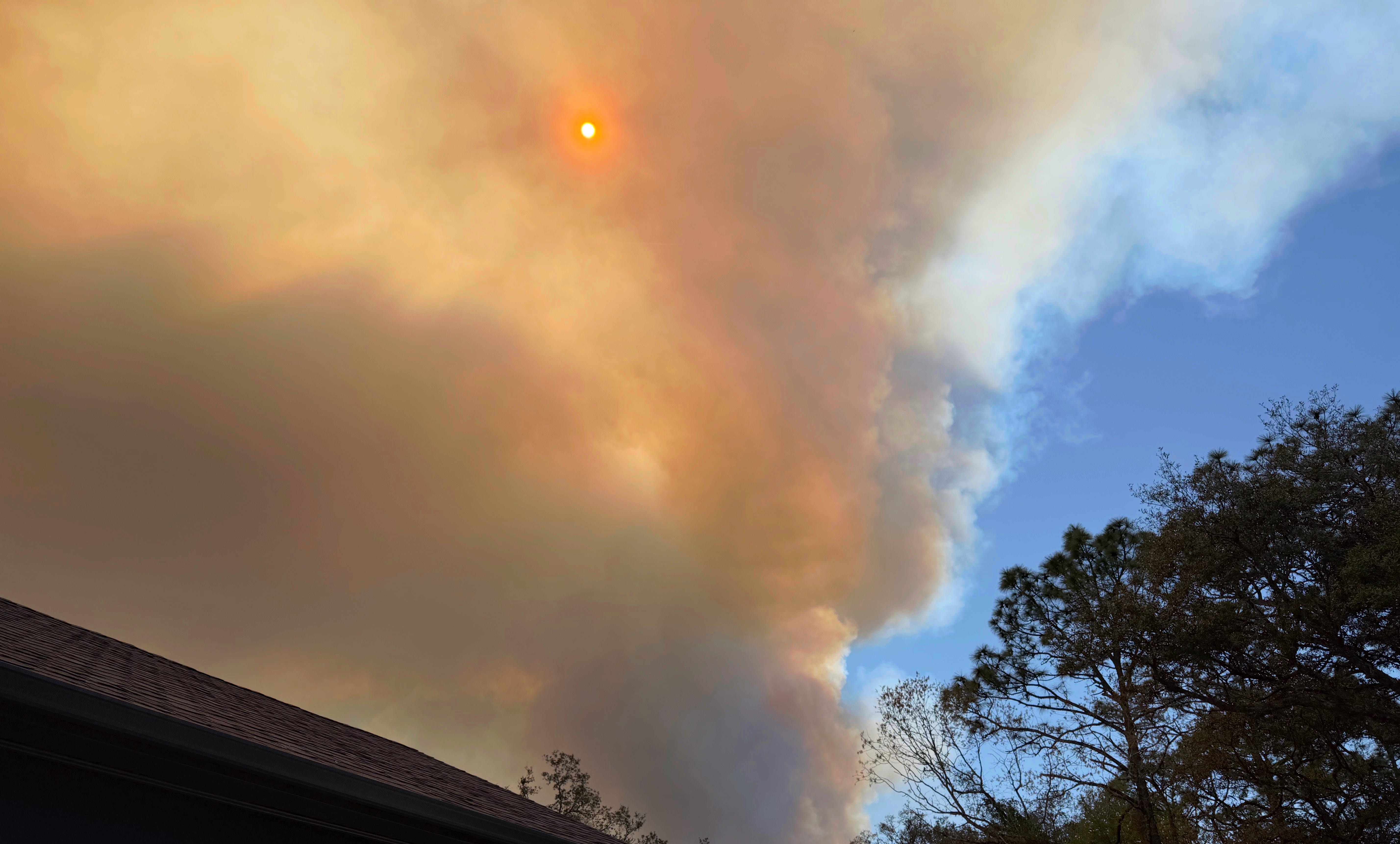
There was a controlled burn somewhere near my house the other day.
Controlled burns are something I have become much more familiar with since moving to Central Florida. For anyone raised on Smokey Bear and the seemingly uncomplicated lesson that forest fire equals bad, the whole idea initially feels a little backward. Fire can obviously destroy a forest. But used deliberately, under carefully controlled conditions, it can also protect one—reducing the accumulated fuel that can feed a catastrophic wildfire while clearing away vegetation that has begun choking out parts of the ecosystem.
I had actually gotten the chance to participate in a controlled burn before, and watching one done properly changed the way I thought about fire. There is a strange contradiction to standing there deliberately setting nature on fire because you are trying to take care of it.
So when I received notice that there would be a controlled burn in the area, I wasn’t particularly concerned.
Then I walked outside.
The smell of smoke was unmistakable. The sky had changed. Looking west toward a large preserved area, an enormous wall of smoke seemed to rise just beyond the trees. Even the sun had been reduced to a dim orange-white circle struggling through the haze.
Damn. This thing must be close.
I wasn’t frightened. I knew what was happening. But from where I stood, the obvious conclusion was that the burn was taking place somewhere immediately beyond me, probably right inside the preserved land to the west.
So I did what any reasonable person with a drone and insufficient respect for FAA paperwork might be tempted to do.
I went up.
A Few Hundred Feet Changed Everything
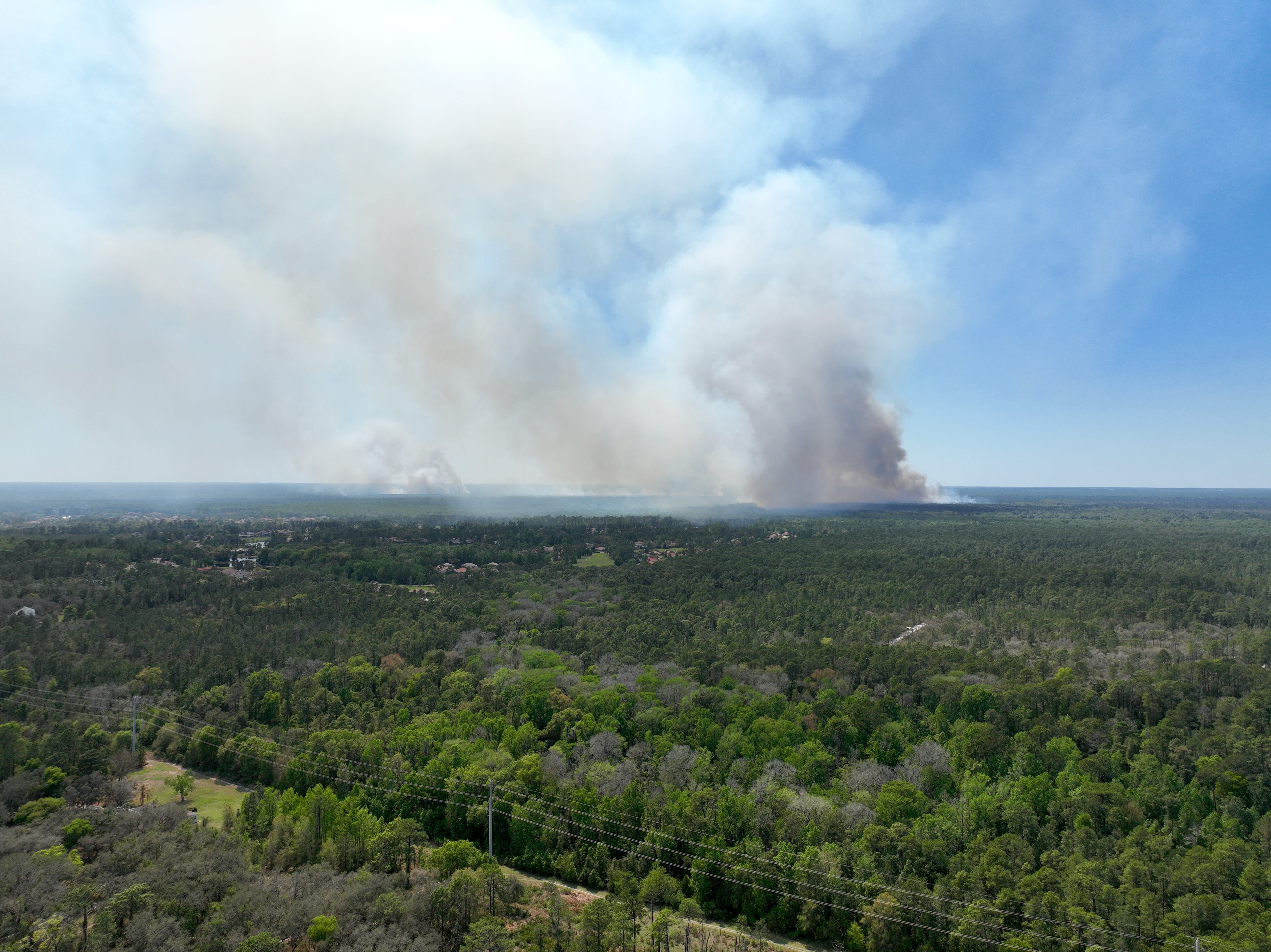
I expected the drone to confirm what my eyes had already told me.
Instead, it contradicted them.
Once the drone climbed above the trees, the smoke that had seemed almost on top of me suddenly had a location. The enormous wall dominating my view from the ground became a plume rising in the distance. In fact, it was far enough away that even from the air I couldn’t immediately tell exactly where the burn was taking place.
Same fire.
Same smoke.
Same afternoon.
The two photographs were taken only about thirty minutes apart, so this wasn’t a story about the fire moving or the smoke clearing. The important variable wasn’t time.
It was perspective.
From the ground, my field of vision was compressed. Trees obscured the horizon. Smoke filled the available sky. I could smell it. I could see it blocking the sun. Everything my senses were telling me suggested proximity.
From the air, the horizon opened. Suddenly there was scale. I could see the miles of green between me and the smoke. What had occupied most of my world from the ground occupied only a small part of a much larger landscape.
Neither perspective was fake. Neither photograph had been manipulated. Neither required someone to lie.
Yet they told completely different stories.
That may be the more unsettling lesson.
The Camera Isn’t Lying. Neither Are You.
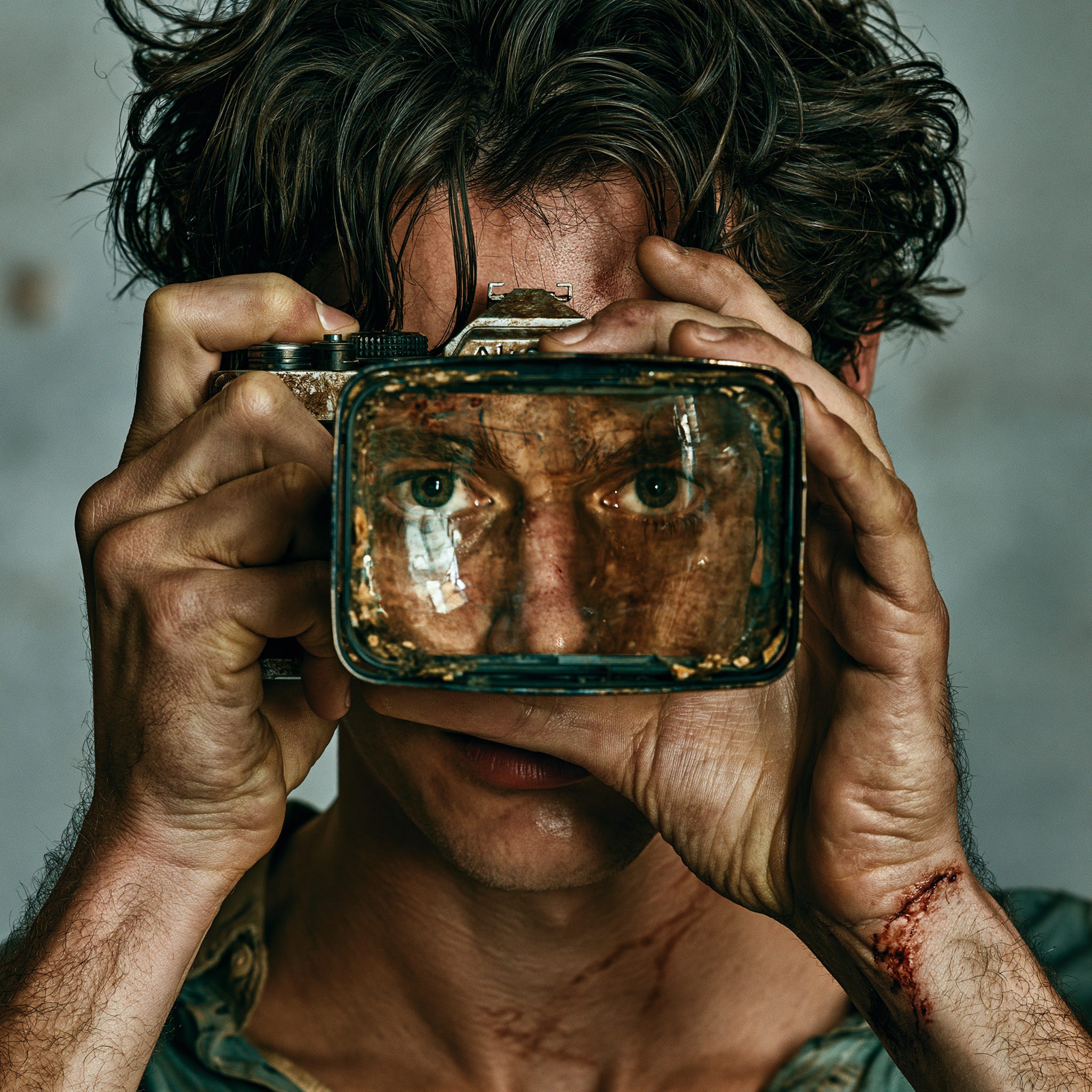
We tend to think disagreements about what happened require someone to be wrong. Worse, we increasingly assume they require someone to be dishonest.
But imagine two people standing in different places during that burn. One says, “The smoke was so thick it blocked out the sun.” The other says, “The fire was way off in the distance.”
Which one is telling the truth?
Both.
We sometimes use the phrase different perspectives as a polite euphemism for different opinions. But perspective isn’t merely opinion. Sometimes it is literally geometry.
No two people occupy precisely the same point in space. Move ten feet and an object can disappear behind another object. Climb a few hundred feet and something enormous can become tiny. Stand downwind and smoke can overwhelm you; stand somewhere else and you may barely notice it.
Then add the human brain.
We don’t merely see from different physical locations. We see through different histories. Experience, fear, knowledge, expectation, incentives, ideology, memory and emotion all become part of the lens. Two people can stand shoulder to shoulder looking at the same event and still not really be looking from the same place.
My brain had evidence: smoke, smell, obscured sun, known preserve to the west. It assembled those facts into a perfectly coherent story.
The story just happened to be wrong.
That distinction matters. I hadn’t hallucinated the smoke. My observations were accurate. My interpretation of them wasn’t.
And that is a much more dangerous kind of mistake because accurate facts make incorrect stories feel especially convincing.
Now Put a Screen Between Us
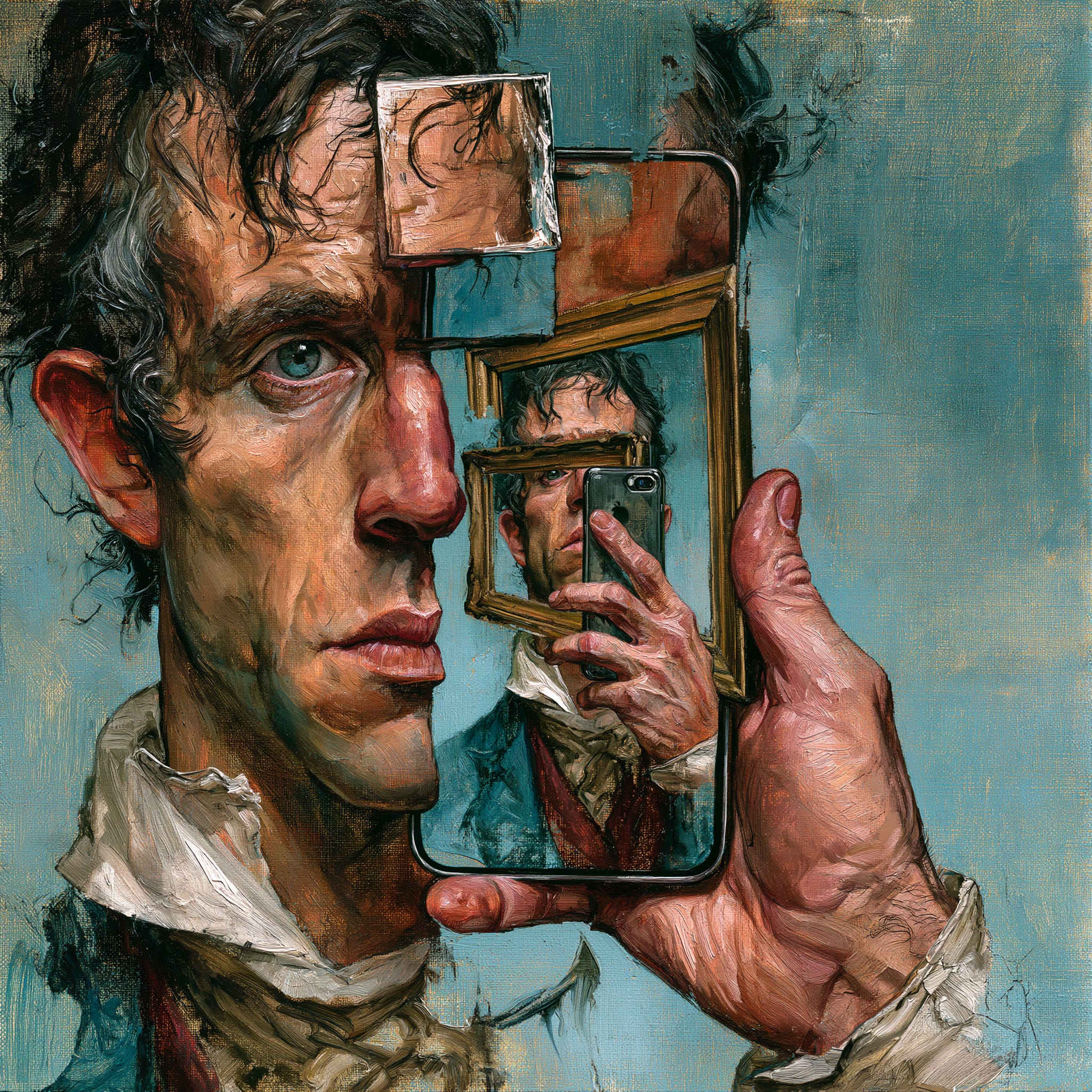
Which brings me to the little rectangles through which we increasingly experience the world.
Think about how much certainty we manufacture from photographs and short video clips online.
We see twenty seconds of an altercation and know who started it. We see a photograph of a crowd and know how large it was. We watch someone say something outrageous and know what they meant. We see a police encounter, a protest, a war, an argument, a politician, a CEO, a celebrity—and within seconds we have reconstructed everything outside the frame.
Except we haven’t.
We don’t know what happened thirty seconds earlier. We don’t know what is fifty feet to the left. We don’t know why the camera was standing where it was standing. We may not know who selected the clip, who cropped the photograph, what was excluded, or whether the person presenting it has an incentive to make us see one interpretation rather than another.
Sometimes there is deliberate deception, of course. But my controlled burn suggests something more interesting: deception isn’t necessary.
A completely authentic image can create a profoundly misleading impression.
That should bother us.
My ground photograph isn’t fake. If I posted it by itself with the caption Controlled burn right next to the house today, most people looking at it would probably find the statement perfectly plausible.
Then I could post the drone photograph and create an entirely different impression.
Same fire. Same photographer. Same day.
I wouldn’t even need Photoshop.
I would only need to choose your perspective for you.
And increasingly, that is exactly what happens online. Someone else decides where we stand before showing us the world. Then an algorithm selects which of those perspectives we are most likely to stare at, share, argue about and return to tomorrow.
Perhaps the appropriate response isn’t cynicism. We don’t have to assume everything we see is false.
We should simply become a little less certain that what we see is everything.
Before deciding what a photograph proves, ask what might be outside the frame. Before deciding what a video means, wonder what happened before the recording began. Before declaring another person’s description absurd, consider the possibility that they are standing somewhere you aren’t.
And before becoming absolutely certain that the fire is right beside you...
maybe send up the drone.
🌱 Seed Thought: The world doesn’t necessarily change when we change our perspective. Sometimes we finally see how much of the world our old perspective was hiding.
