There’s a social rule so deeply baked into us that questioning it feels mildly heretical:
When someone gives you something, they should be thanked.
Recently, I found myself on the other side of that assumption—quietly, almost accidentally.
I was in a conversation about giving. Not philanthropy with a capital P. Just everyday giving—time, effort, attention, resources. The person I was talking to placed real weight on being thanked. For them, the “thank you” wasn’t etiquette; it was respect. Proof that the gift landed. Evidence that it mattered.
I listened. I understood it. And I realized—again—that I didn’t share that need.
That wasn’t the surprise.
The Question Beneath the Habit

I’ve known this about myself for a long time.
I’ve never expected a thank you. Not as a principle. Not as a posture. It just isn’t something I track.
The conversation didn’t surprise me by revealing that fact. What surprised me was the question it finally forced me to ask:
Why?
Why do I still give freely?
Why do I enjoy it?
Why does the absence of verbal gratitude feel… neutral?
That was the unfamiliar part—not the behavior, but the explanation. I had lived comfortably with the outcome for years without ever really interrogating the mechanism underneath it. And once I did, my mind reached back—unprompted—to a moment from decades earlier that suddenly made the whole thing make sense.
The Memory That Explained Everything

Roughly 25 years ago, I was in Fiji attending Date With Destiny, led by Tony Robbins.
This was back when “seminar” actually meant seminar. No stadium. No wristbands. Fewer than 50 people in the room. Close enough that when someone was called up, the air changed.
Tony brought a woman up and asked a deceptively simple question:
“What does it take for you to know that you’re loved?”
What followed was… impressive.
Flowers.
How often? Weekly.
Notes.
Handwritten.
Dates.
Surprises.
Consistency.
Tone of voice.
Timing.
Frequency.
The list kept growing.
None of it was unreasonable in isolation. Not one item deserved mockery. But taken together, it became almost comical—not because love is silly, but because the equation was impossible. No human could consistently hit all those marks without eventually failing.
Which led to the unspoken punchline hanging in the room:
If that is the rule set, how could she ever feel loved for long?
I don’t remember the exact list. This was long before iPhones and permanent documentation. But I remember the collective realization. It wasn’t judgment.
It was recognition.
The Quiet Rules We Carry
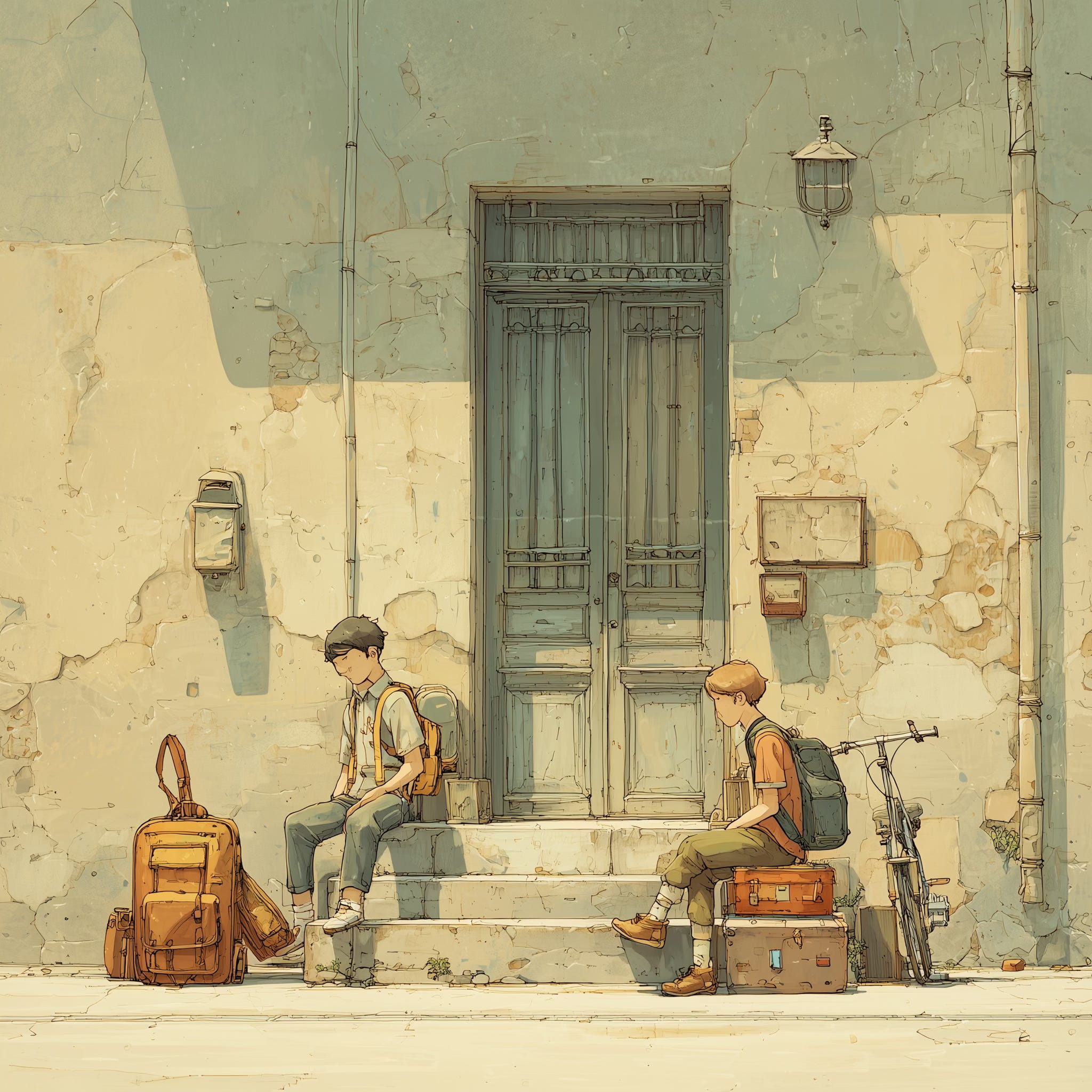
Tony’s broader point—one he returned to often—was that we all carry rules for our emotions. Conditions we don’t consciously articulate, yet rigorously enforce.
I’ll feel loved when…
I’ll feel respected if…
I’ll feel appreciated only when…
The more elaborate the rule, the more fragile the emotion.
That memory snapped into focus as I reflected on the “thank you” conversation. I finally understood something I had always felt but never named:
I don’t give in exchange for acknowledgment.
I give in service of relationship continuity.
What I’m Actually Optimizing For
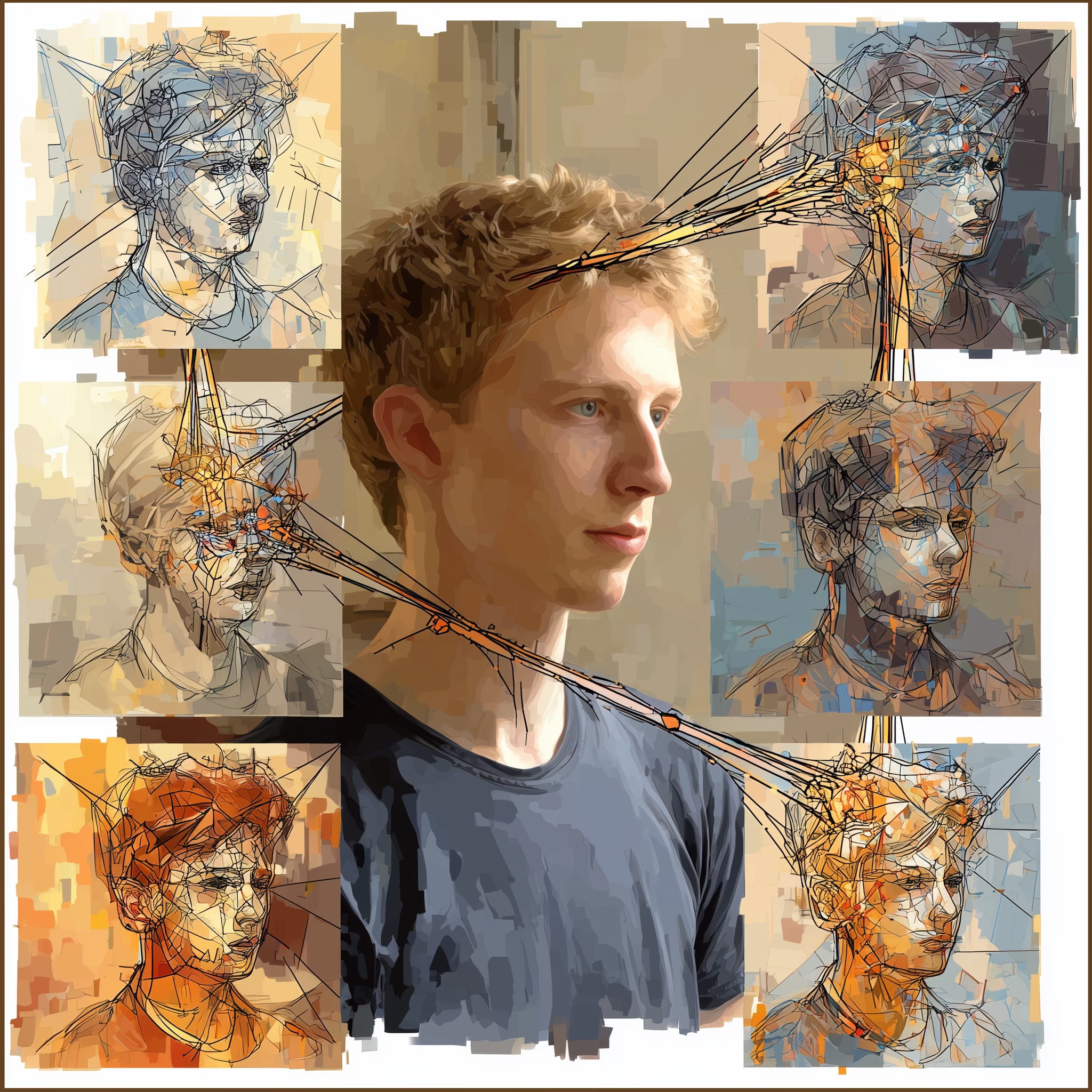
If the person receiving something from me is a child of mine—and years later that child can come to me for advice, or after a mistake, or in a moment of doubt, without hesitation—
That’s it.
Game over.
That outcome contains every “thank you” I could ever need.
A spoken word of gratitude doesn’t move the needle toward that future. Trust does. Openness does. The absence of fear does.
This doesn’t mean gratitude is meaningless. It means it’s not the metric I’m tracking.
Which reframes the whole thing:
Not needing a thank you isn’t apathy.
It’s clarity.
Two People. Two Rulebooks. Neither Wrong.

The person I spoke with isn’t wrong to value thanks. For them, it may signal respect, closure, or acknowledgment that giving wasn’t invisible. Perhaps they’ve lived in environments where effort went unnoticed, and gratitude became the proof of presence.
Different pasts. Different rules.
The problem only shows up when we quietly assume our rulebook is universal law—when we expect others to satisfy conditions they don’t know they’re being graded on.
That’s where resentment grows. Not from lack of generosity, but from unspoken contracts.
The Less You Need, the More You Receive

That woman on stage in Fiji wasn’t wrong either. Her list was simply revealing. It showed how easily our emotional equations become too complex to solve.
The paradox is uncomfortable but clean:
The more conditions you require to feel something,
the less often you will.
By contrast, when the requirement collapses into something durable—like relationship health—you create room for satisfaction to compound quietly over time.
No applause required.
🌱 Seed Thought: Examine the rules you’ve written for feeling appreciated. If they’re too specific to sustain, they may be costing you the very thing you’re trying to protect.